مجموعة: Benefits of Compression Stockings and Pantyhose in Pregnancy
Compression Support for a Healthier Pregnancy

Pregnancy brings remarkable changes to your circulatory system, and compression stockings offer safe, effective support throughout your journey. Whether you're experiencing early pregnancy symptoms or managing leg health in later trimesters, the right compression garment can make a meaningful difference to your comfort and wellbeing.
Relief from First Trimester Circulatory Symptoms
Many women experience nausea and dizziness in early pregnancy, particularly between weeks 8-16. Research shows that compression stockings can help reduce these symptoms by improving venous return and stabilizing blood pressure—especially when symptoms are linked to circulatory changes rather than other causes.

Signs that compression may help your early pregnancy symptoms:
- Symptoms triggered by standing or prolonged sitting
- Dizziness accompanied by leg heaviness or swelling
- Nausea that worsens with heat or inactivity
- Improved symptoms with gentle movement or leg elevation
Compression stockings offer a safe, non-pharmaceutical approach—especially valuable when you're avoiding medication during pregnancy.

Choosing the Right Length for Your Needs
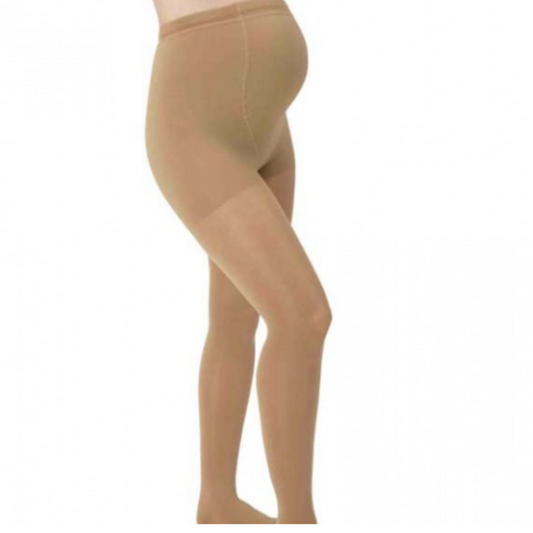
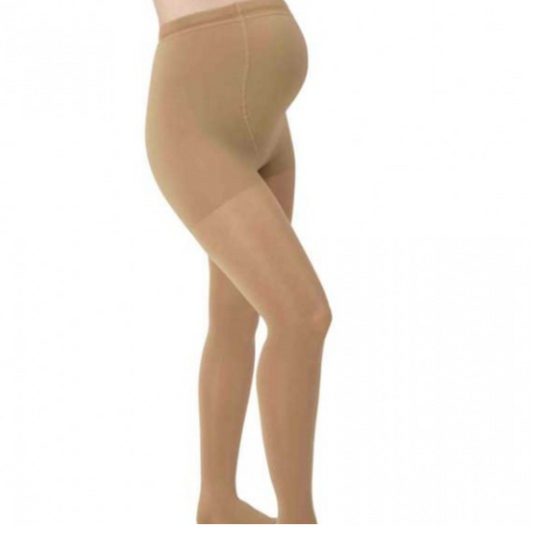
Maternity Compression Pantyhose
Best for: Comprehensive support, pelvic pressure relief, preventing varicose veins in the vulvar area, systemic circulatory support
Maternity pantyhose feature a specially designed expandable panel that grows with your belly throughout pregnancy. They provide the most comprehensive support, helping to stabilize blood pressure, reduce pelvic pressure, and prevent varicose veins from developing in the groin and vulvar areas—a concern for some women in later pregnancy.
Pantyhose are also the best choice if you're experiencing orthostatic symptoms (dizziness when standing) or need full-leg support for occupations requiring prolonged standing.
Examples from our range: mediven Plus and mediven Elegance maternity pantyhose are specifically designed with pregnancy in mind, featuring adjustable waist sections that accommodate your changing shape while delivering effective graduated compression.
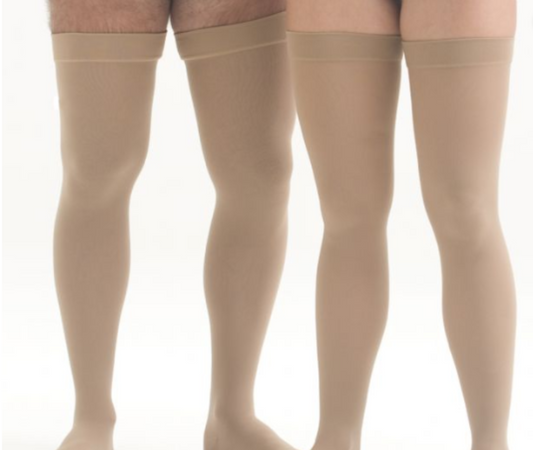
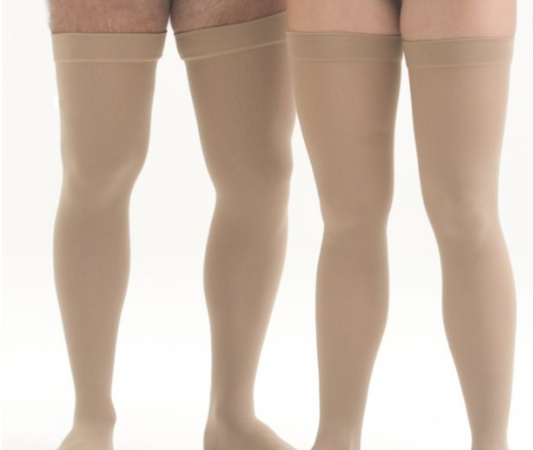
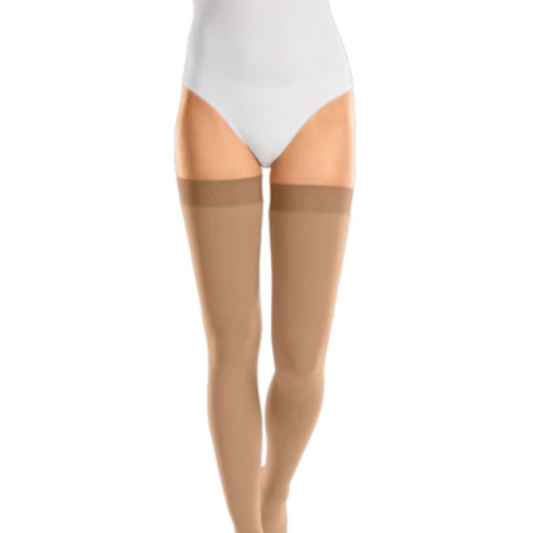
Maternity Thigh-High Compression Stockings
Best for: Swelling extending above the knee, varicose veins in the thigh area, comprehensive leg support, orthostatic symptoms
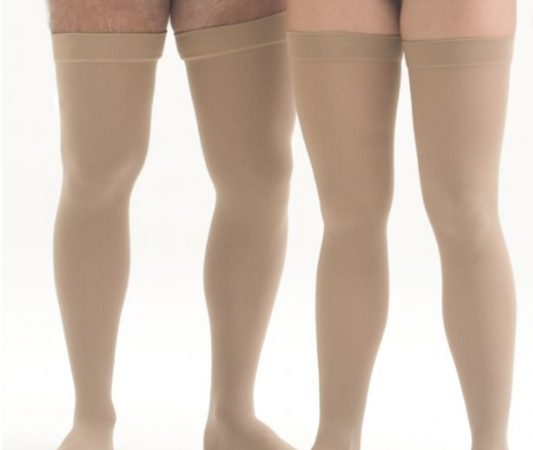
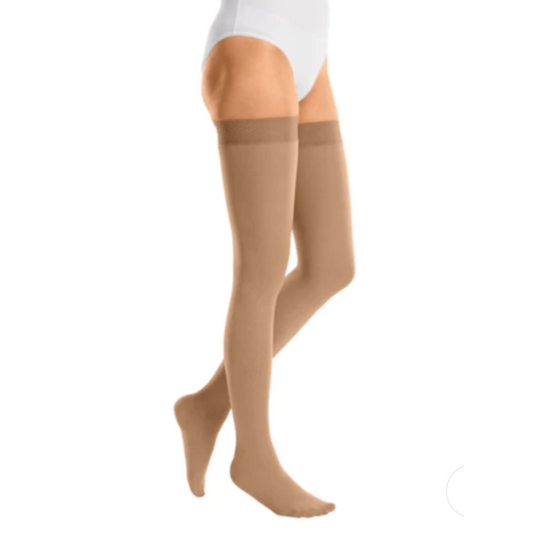
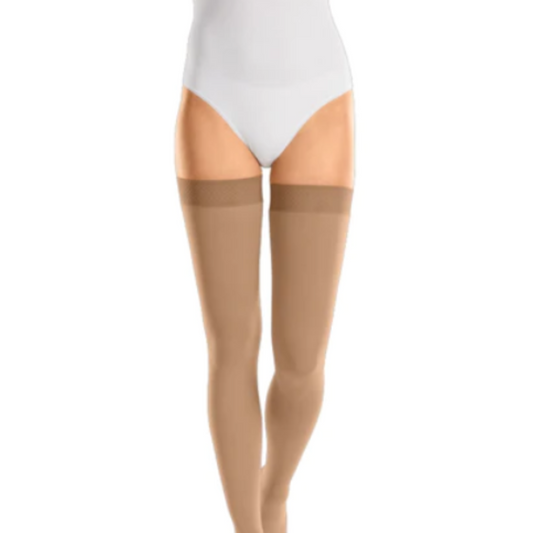
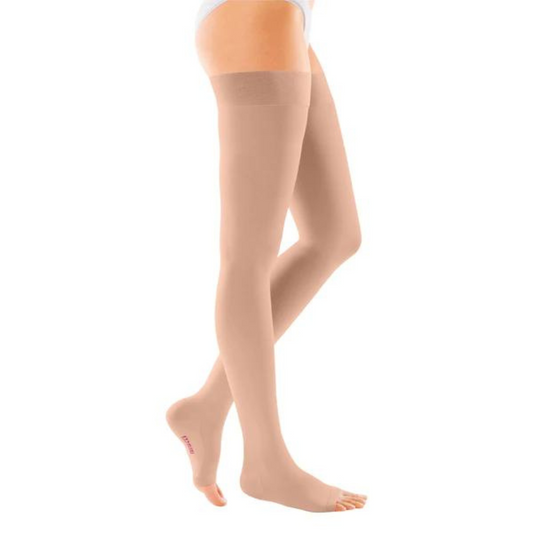
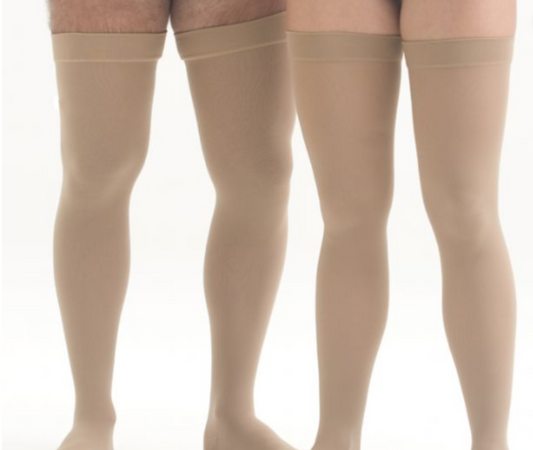
Thigh-highs offer extended coverage when you need support higher up the leg. They're particularly helpful if you're experiencing varicose veins in your thighs or if swelling extends above your knees. The silicone band keeps them securely in place without constricting your growing belly.
Examples from our range: mediven Elegance and mediven Comfort thigh-high options deliver graduated compression from ankle to thigh, with stay-up bands designed for comfort and security.
Maternity Knee-High Compression Stockings
Best for: Ankle and lower leg swelling, varicose veins below the knee, general leg fatigue
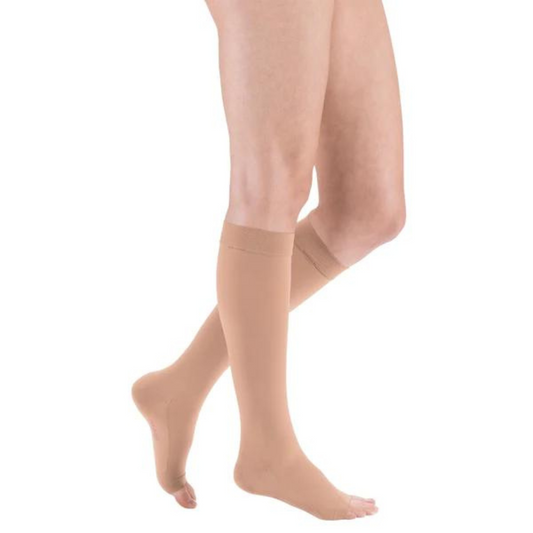
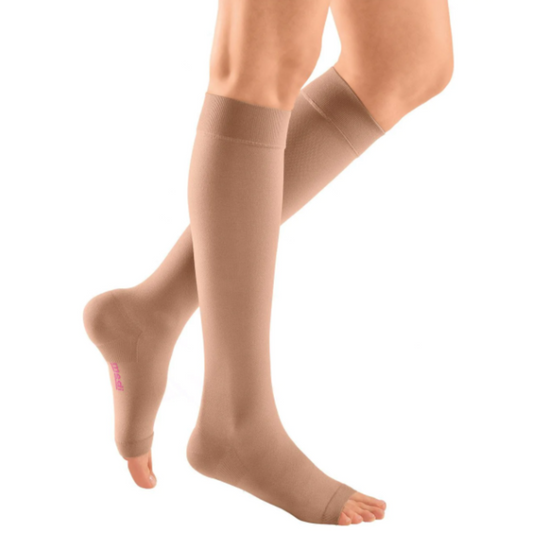
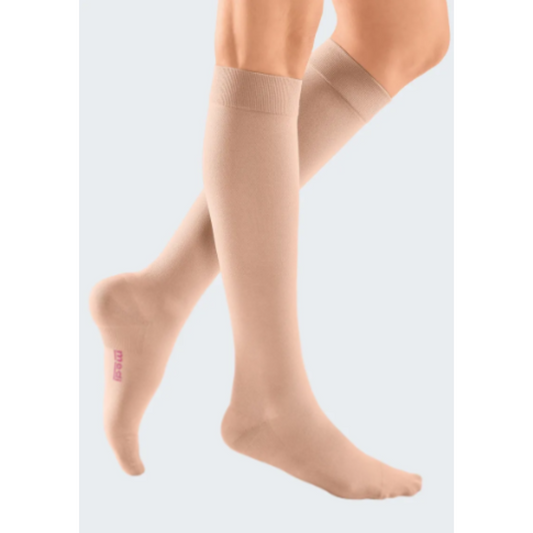
Knee-highs are the most versatile option for pregnancy. They're easy to put on (important as your pregnancy progresses), comfortable under trousers, and ideal if your swelling or discomfort is concentrated in your lower legs and ankles. Many pregnant women find knee-highs sufficient for managing everyday leg fatigue and mild swelling.
Examples from our range: mediven Elegance and mediven Comfort knee-high styles provide gentle, reliable support with soft, breathable fabrics perfect for all-day wear.
When to Wear Compression During Pregnancy

For best results, put your compression stockings on first thing in the morning before swelling develops, and wear them throughout the day. Remove them at night to allow your skin to breathe. Most women wear compression daily during pregnancy, though your healthcare provider can give you personalized guidance.
Safe, Effective Support Throughout Your Pregnancy
All compression garments in our maternity collection are designed with your comfort and safety in mind. They use graduated compression—strongest at the ankle and gradually decreasing up the leg—to support healthy blood flow back to your heart. This is the same principle used in clinical settings, adapted for everyday wear.
If you're unsure which style or compression class is right for you, we recommend consulting with your midwife, obstetrician, or a compression fitting specialist who can assess your individual needs.
-
جوارب mediven Plus المضغوطة الموثوقة حتى الفخذ (AG) مفتوحة عند أصابع القدم
سعر عادي من $204.05 AUDسعر عاديسعر الوحدة لكل$0.00 AUDسعر البيع من $204.05 AUD -
جوارب ضغط قطنية متوسطة الحجم وصديقة للبيئة تصل إلى الفخذ (AG) ومغلقة عند الأصابع
سعر عادي من $275.95 AUDسعر عاديسعر الوحدة لكل$276.00 AUDسعر البيع من $275.95 AUDأُوكَازيُون -
جوارب ضغط من القطن المتوسط صديقة للبيئة تصل إلى الفخذ (AG) ومغلقة عند الأصابع
سعر عادي من $275.95 AUDسعر عاديسعر الوحدة لكل$276.00 AUDسعر البيع من $275.95 AUDأُوكَازيُون -
جوارب ضغط mediven Comfort فائقة النعومة تصل إلى الركبة (AD) مفتوحة عند الأصابع
سعر عادي من $161.95 AUDسعر عاديسعر الوحدة لكل$0.00 AUDسعر البيع من $161.95 AUD -
جورب ضغط موثوق به من mediven Plus يصل إلى الركبة (AD) مفتوح عند الأصابع
سعر عادي من $108.95 AUDسعر عاديسعر الوحدة لكل$146.00 AUDسعر البيع من $108.95 AUDأُوكَازيُون -
جوارب ضغط من القطن المتوسط صديقة للبيئة تصل إلى الفخذ (AG) مفتوحة عند الأصابع
سعر عادي من $275.95 AUDسعر عاديسعر الوحدة لكل$276.00 AUDسعر البيع من $275.95 AUDأُوكَازيُون -
جوارب ضغط قطنية متوسطة الحجم صديقة للبيئة تصل إلى الركبة (AD) ومغلقة عند الأصابع
سعر عادي $161.95 AUDسعر البيع $161.95 AUDسعر الوحدة لكلأُوكَازيُون -
جوارب ضغط mediven Comfort فائقة النعومة تصل إلى الفخذ (AG) ومفتوحة عند الأصابع
سعر عادي من $275.95 AUDسعر عاديسعر الوحدة لكل$0.00 AUDسعر البيع من $275.95 AUD -
جوارب ضغط خفيفة من mediven Elegance تصل إلى الركبة (AD) ومغلقة من الأمام
سعر عادي $145.95 AUDسعر عاديسعر الوحدة لكل$0.00 AUDسعر البيع $145.95 AUD -
جوارب ضغط mediven Plus موثوقة تصل إلى الفخذ (AG) ومغلقة عند أصابع القدم
سعر عادي من $204.05 AUDسعر عاديسعر الوحدة لكل$0.00 AUDسعر البيع من $204.05 AUD -
جورب ضغط موثوق به من mediven Plus يصل إلى الركبة (AD) ومقدمة مغلقة
سعر عادي من $108.95 AUDسعر عاديسعر الوحدة لكل$146.00 AUDسعر البيع من $108.95 AUDأُوكَازيُون -
جوارب ضغط mediven Plus الموثوقة، جوارب طويلة عالية الخصر (AT) مفتوحة عند أصابع القدم
سعر عادي من $302.00 AUDسعر عاديسعر الوحدة لكل$0.00 AUDسعر البيع من $302.00 AUD -
جوارب ضغط mediven Plus الموثوقة، جوارب طويلة عالية الخصر (AT) مغلقة عند أصابع القدم
سعر عادي من $302.00 AUDسعر عاديسعر الوحدة لكل$0.00 AUDسعر البيع من $302.00 AUD -
جوارب mediven Plus ذات ضغط عريض للغاية وموثوق بها حتى الفخذ (AG) مفتوحة عند أصابع القدم
سعر عادي من $257.95 AUDسعر عاديسعر الوحدة لكل$0.00 AUDسعر البيع من $257.95 AUD -
جوارب mediven Plus ذات ضغط عريض للغاية وموثوق بها حتى الفخذ (AG) ومقدمة مغلقة
سعر عادي من $257.95 AUDسعر عاديسعر الوحدة لكل$0.00 AUDسعر البيع من $257.95 AUD -
جوارب ضغط قطنية متوسطة الحجم وصديقة للبيئة تصل إلى الفخذ (AG) مفتوحة عند أصابع القدم
سعر عادي من $275.95 AUDسعر عاديسعر الوحدة لكل$276.00 AUDسعر البيع من $275.95 AUDأُوكَازيُون